
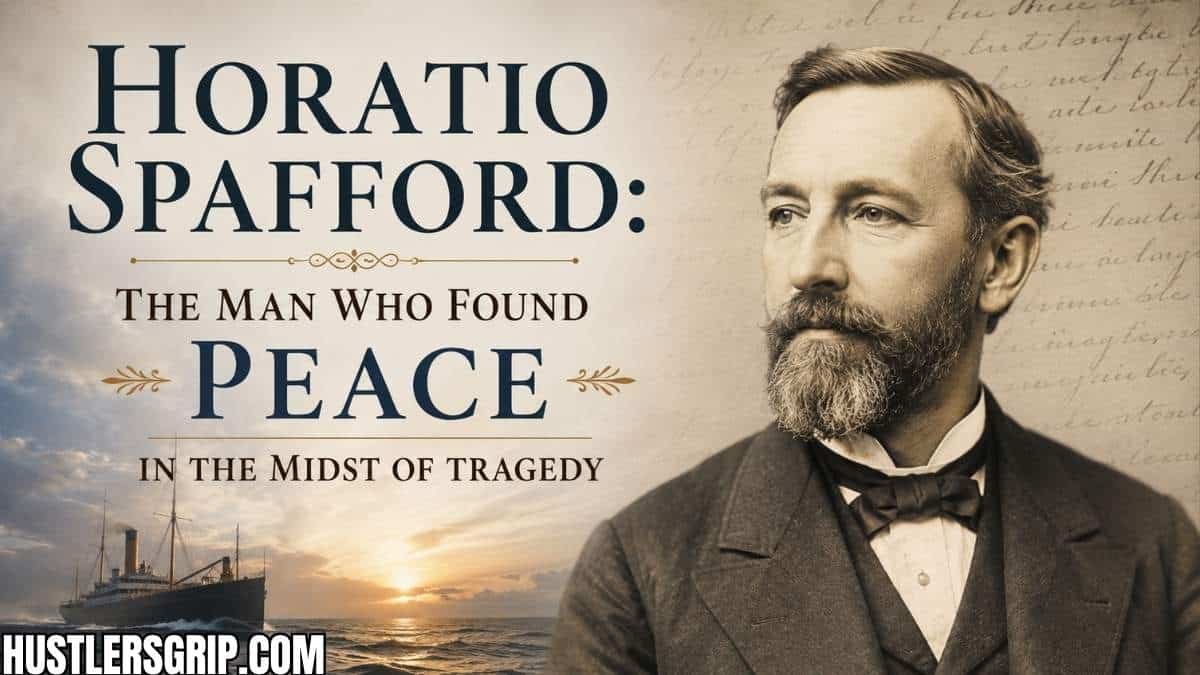
Horatio Spafford: The Man Who Found Peace in the Midst of Tragedy
Introduction
Have you ever wondered how someone could lose everything and still say, “It is well with my soul”? This is the hauntingly beautiful reality of Horatio Spafford, a man whose life was marked by both great success and unimaginable sorrow. In the late 1800s, Spafford was a prominent lawyer in Chicago, but his world was turned upside down by a series of disasters that would break most people. Instead of giving up, he leaned into his faith and wrote one of the most famous hymns in history.
The story of Horatio Spafford is not just a history lesson; it is a roadmap for anyone navigating a personal storm. Whether you are facing a small setback or a life-changing crisis, Spafford’s journey offers a unique perspective on resilience and hope. By exploring his legacy, we find that peace isn’t the absence of trouble, but the presence of something much deeper. Let’s dive into the life of the man who taught the world how to sing through the pain.
Featured Snippet: Who Was Horatio Spafford?
Horatio Spafford (1828–1888) was a wealthy Chicago lawyer and Presbyterian elder best known for penning the Christian hymn “It Is Well with My Soul.” After losing his fortune in the Great Chicago Fire and his four daughters in a shipwreck, he wrote the lyrics to express his enduring faith.
Key Milestones in Spafford’s Life
- 1871: Lost significant real estate holdings in the Great Chicago Fire.
- 1873: His four daughters perished in the sinking of the SS Ville du Havre.
- 1873: Wrote the lyrics to “It Is Well with My Soul” while crossing the Atlantic.
- 1881: Moved to Jerusalem to found the “American Colony” to help the lower class.
The Great Chicago Fire and Initial Loss
Before he became a symbol of faith, Horatio Spafford was a highly successful businessman. He had a beautiful family and a thriving legal practice. However, in 1871, the Great Chicago Fire swept through the city. Spafford had invested heavily in real estate along the shores of Lake Michigan, and almost all of his assets were destroyed in a single night.
Despite this financial ruin, Spafford remained focused on helping others. He spent months assisting those who were left homeless by the fire. This period of his life showed his true character—he was a man who cared more about people than his bank account.
A Heartbreaking Tragedy at Sea
In 1873, Spafford decided to take his wife, Anna, and their four daughters to Europe for a much-needed rest. At the last minute, a business emergency delayed Horatio, so he sent his family ahead on the SS Ville du Havre.
Tragedy struck mid-ocean when the ship collided with an iron sailing vessel. The ship sank in only 12 minutes. Anna was rescued, but all four of their daughters—Annie, Maggie, Bessie, and Tanetta—drowned. When Anna reached land in Wales, she sent the famous two-word telegram to her husband: “Saved alone.”
How to Build Resilience Like Spafford
- Acknowledge the Pain: Spafford didn’t pretend he wasn’t hurting.
- Seek Support: He relied heavily on his community and his faith.
- Find a Creative Outlet: Writing helped him process his overwhelming grief.
- Look Outward: Even in his sadness, he looked for ways to serve others.
The Birth of “It Is Well With My Soul”
Horatio immediately boarded a ship to join his grieving wife. During the voyage, the captain called him to the bridge and pointed out that they were passing over the exact spot where his daughters had died. Instead of falling into despair, Spafford went back to his cabin and wrote the words that would comfort millions.
The lyrics reflect a deep peace that surpasses understanding. He wrote about the “sea billows” of sorrow but anchored his hope in the idea that his “soul” was safe. You can find more modern stories of grit and overcoming obstacles at Hustlers Grip.
The American Colony in Jerusalem
Later in life, Horatio Spafford and Anna sought a fresh start. They moved to Jerusalem in 1881 and established a group known as the American Colony. This community was dedicated to providing food, medical care, and education to people regardless of their religion.
This move showed that Spafford’s faith was active. He didn’t just write songs; he lived out a life of charity. Today, the American Colony Hotel in Jerusalem stands as a testament to their work and is a popular site for historians and tourists alike.
Conclusion: A Legacy of Unshakable Faith
The life of Horatio Spafford serves as a powerful reminder that our circumstances do not have to define our inner peace. From the ashes of the Chicago fire to the cold depths of the Atlantic, Spafford chose to look upward rather than inward. His ability to transform his personal agony into a universal anthem of hope is why his story remains relevant over a century later.
If you are going through a difficult season, remember that your story isn’t over yet. Like Spafford, you can find the strength to move forward and even help others along the way. Take a moment today to reflect on what “wellness” means to you, and don’t be afraid to reach out for help. For more inspiring stories on history and faith, check out the Library of Congress archives or explore further biographies on Christianity Today.
FAQs About Horatio Spafford
1. What did Horatio Spafford do for a living?
He was a prominent lawyer and real estate investor in Chicago during the mid-19th century.
2. How many children did Horatio Spafford lose?
He lost his four daughters in the 1873 shipwreck. He had also lost a son to scarlet fever in 1870.
3. Where was “It Is Well with My Soul” written?
The lyrics were written on a ship in the middle of the Atlantic Ocean, near the site where his daughters’ ship sank.
4. What is the American Colony?
It was a philanthropic community founded by the Spaffords in Jerusalem to provide social services to the local population without proselytizing.


